
June 2026
A round up of some of the things I’ve been reading, writing and doing this month.

This month’s round up includes bitterns in Bedfordshire, fairies in West Yorkshire, historical fiction, and an update from the world of charity freelancing.
Nature on the doorstep
After days of cool temperatures and seemingly relentless rain but before the boiling heat of recent days, we took advantage of a lovely morning to visit the Wetlands Nature Reserve at the Forest of Marston Vale which is quite close to home and, as is often the case with places on the doorstep, somewhere we’d actually never visited before. The Forest of Marston Vale is a community forest at the heart of a regeneration project transforming once was once a landscape marked by clay pits and brick works into something altogether greener. At the heart of the forest is the Millennium Country Park and a Forest Centre with all the usual visitor facilities.
The Wetlands Nature Reserve is a quieter area of the Country Park and is managed for wildlife. We followed the circular trail round the reserve, stopping in the hides along the way. The sand martin wall was busy with nesting birds and there was plenty to see out on the water, including oyster catchers, cormorants, little egrets and coots.
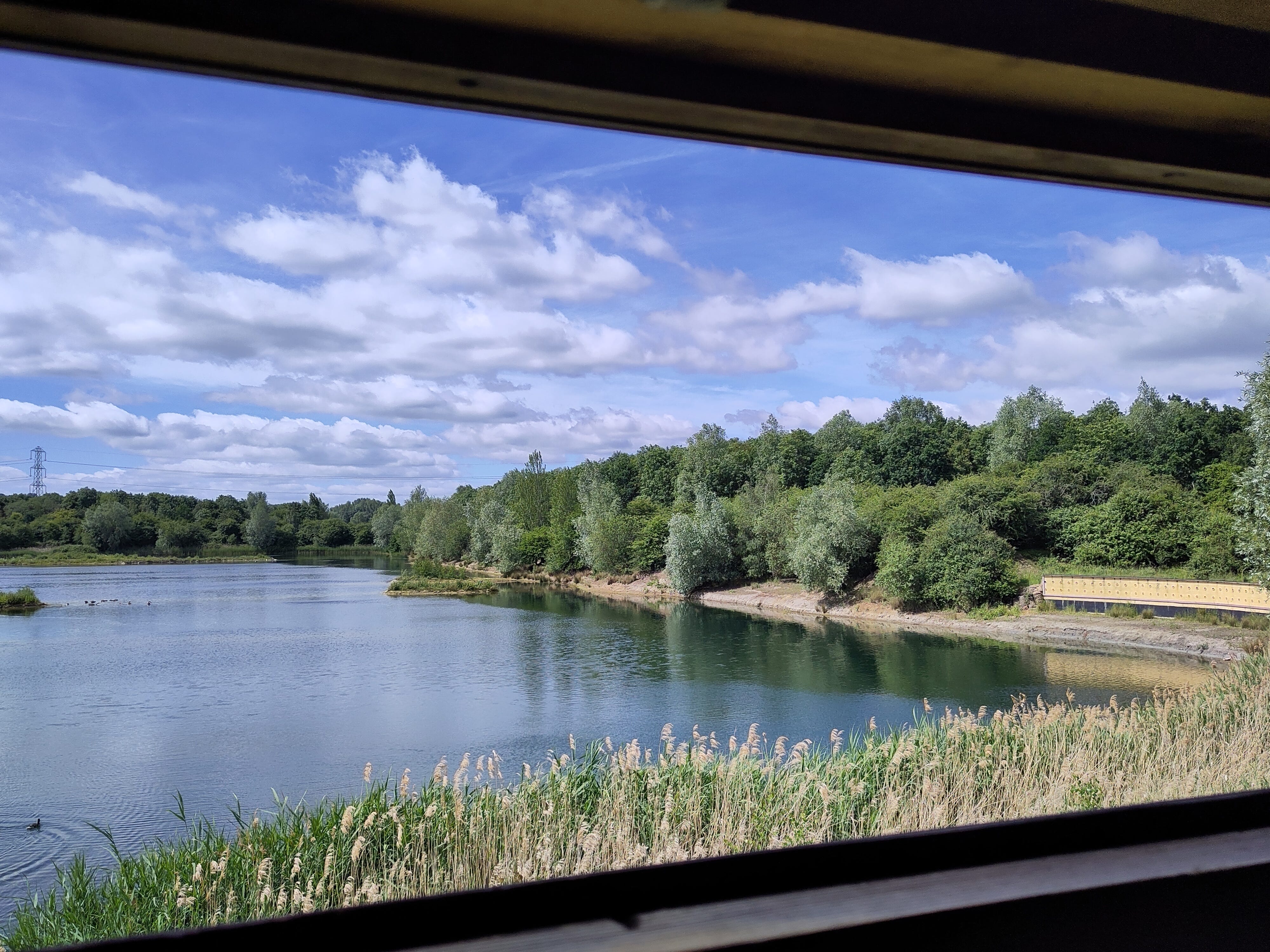
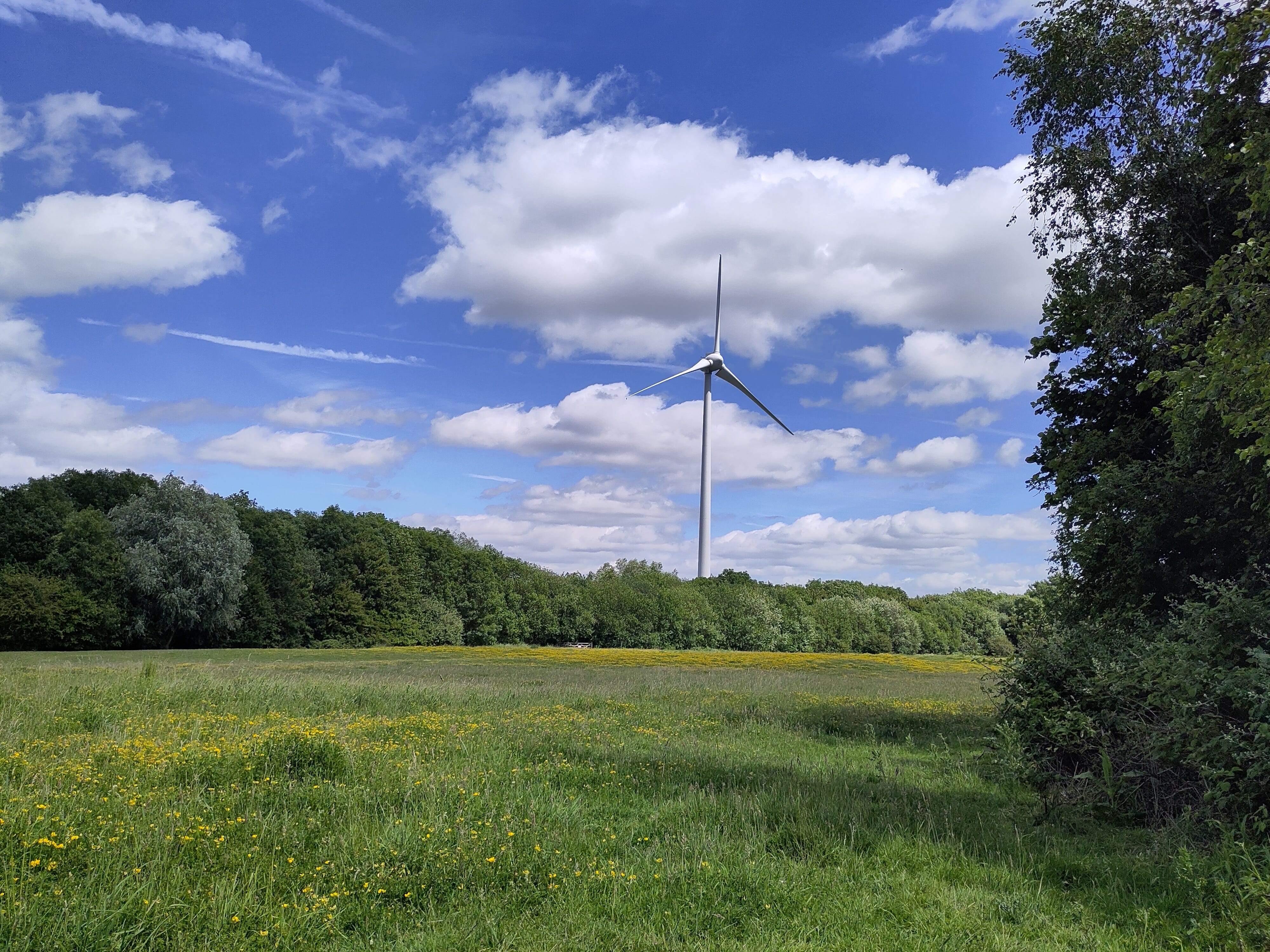
A nice sighting was a Great Crested Grebe feasting on a fish. Stopping by dense reed beds we were rewarded with a reed bunting beautifully framed against the golden stalks. The tower hide provided an impressive view out over the reserve and here we saw Chinese water deer and a marsh harrier. Strolling through the meadows, a cuckoo could be heard calling and a blackcap flew across the path.
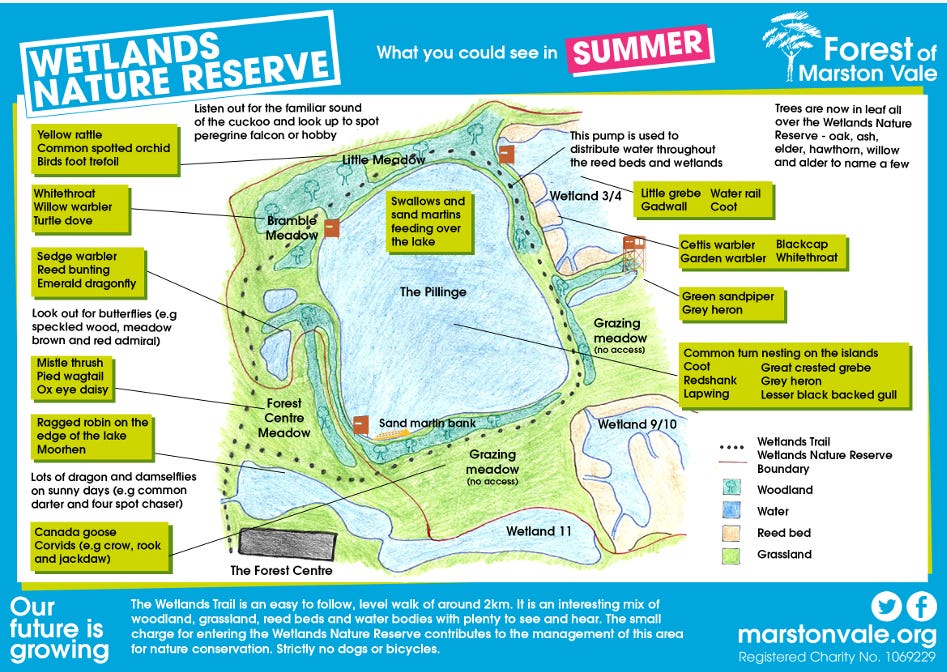
The reserve’s most elusive resident was only spotted briefly, in flight, as we sat in the cafe enjoying tea and cake. There’s a nesting pair of bitterns here, a species we’ve only previously seen when visiting RSPB Minsmere in Suffolk. It was a fleeting glimpse and an unexpected treat.
Bookish odds and ends
I reread Mansfield Park and remembered why it’s my least favourite of Jane Austen’s novels. I was never much of a fan of Emma but reread it last year and enjoyed it much more than I expected, so I hoped for the same from Mansfield Park but it wasn’t to be. I think it’s partly that the central characters aren’t all that likeable and Fanny, who ought to have our sympathy, is a little bit dull. (Feel free to try and convince me otherwise in the comments!)
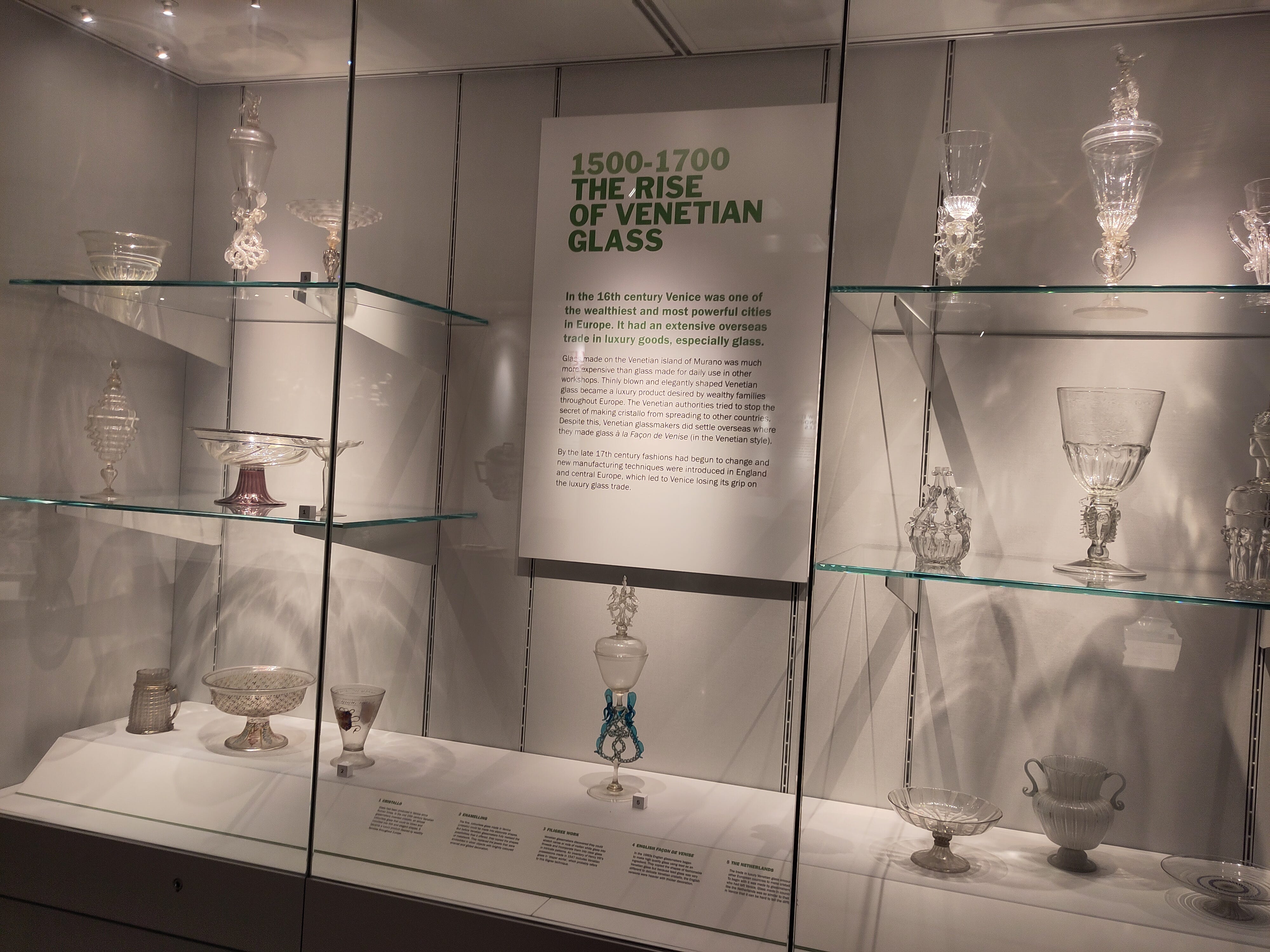
I loved Tracy Chevalier’s novel The Glassmaker which follows the history of glassmaking in Venice through one family. It’s a beautifully written book with a narrative conceit that in less capable hands might have just been tricksy, but Chevalier makes it work without disturbing the flow. A day or two after I finished it we were having a mooch round some of the galleries in our local museum and came across a display of Venetian glass from 1500-1700 which was a nice coincidence and brought a new dimension to my appreciation of the book.
Things I’ve written this month
The latest post in ‘A brief history of Bedfordshire in plants and animals’ looks at Tudor wealth and power through deer and pigeons.

Once upon a time in the West Riding has mills, fairies, Arthur Conan Doyle and the Brontës. It started life as a piece about landscapes that have inspired me and turned into something else entirely!

I reviewed two exhibitions for JRI. The Bodleian Library’s Wonder of Birds exhibition is inspired by the The Book of Birds, the new book from Jackie Morris and Robert Macfarlane, while Soma Surovi Jannat: Climate, Culture, Care at the Ashmolean Museum is part of the NOW exhibition series, where contemporary artists are invited to create new work inspired by the Ashmolean’s historical collections.
Freelance diaries
I’ve now officially been full time freelance for six months and I’ve learned so much about the kinds of projects I enjoy working on most and how to build something in as sustainable a way as possible. It’s not all been plain sailing but the positives have definitely outweighed the negatives.
I had three hopes for the change:
The first was for work that was more varied and interesting, both in terms of the kinds of charities I was working with and the types of project I was taking on. In some ways this has been the most important learning curve as it’s obviously partly influenced by what queries come my way. I’ve had a nice spread of projects across arts, community, and faith based organisations, and I’m beginning to work out how I might further adapt my offer to really focus on where I can add value for small not-for-profits with tight budgets.
The second hope was being able to make better use of my skills and knowledge. This has probably been the biggest win. Being freelance gives me the time to think really deeply about each project without the pressure of a time sheet. I’ve stepped away from ongoing management of social media, newsletters, websites etc so I’m now able to concentrate on the things that help charities get the foundations right, as well as providing focused copywriting and editorial support.
Thirdly, I hoped for the space to be more creative. This is linked to the second as it was partly about having the time to think more creatively about the challenges facing organisations and how to help them communicate their work well, but it was also about having time for my own creative projects. Balancing the two hasn’t always gone well, which is probably to be expected in the early days of setting up something new, and I’ve been looking at ways of being more intentional about carving out time for my own writing because I know I work better all round when I’m able to use that part of my brain too.
P.S.
I’ve recently launched an Instagram account to support my freelance work with charities and not-for-profits. I’m planning a mix of content including services, behind the scenes, current projects and tips. If you’d like give me a follow then that would be lovely!
I hope you’ve enjoyed this month’s round up. Thank you for taking the time to read it, I love to hear from readers so do share any thoughts in the comments section.
I loved The Wonder of Birds. Not so sure about The Glassmaker. I thought the way it plays with time was not entirely successful. .