
May 2026
A round up of some of the things I’ve been reading, writing and doing this month.

This month’s round up includes a spot of church crawling, Beatrix Potter, lots of books, and medieval monastic life in Bedfordshire.
Exploring Long Melford
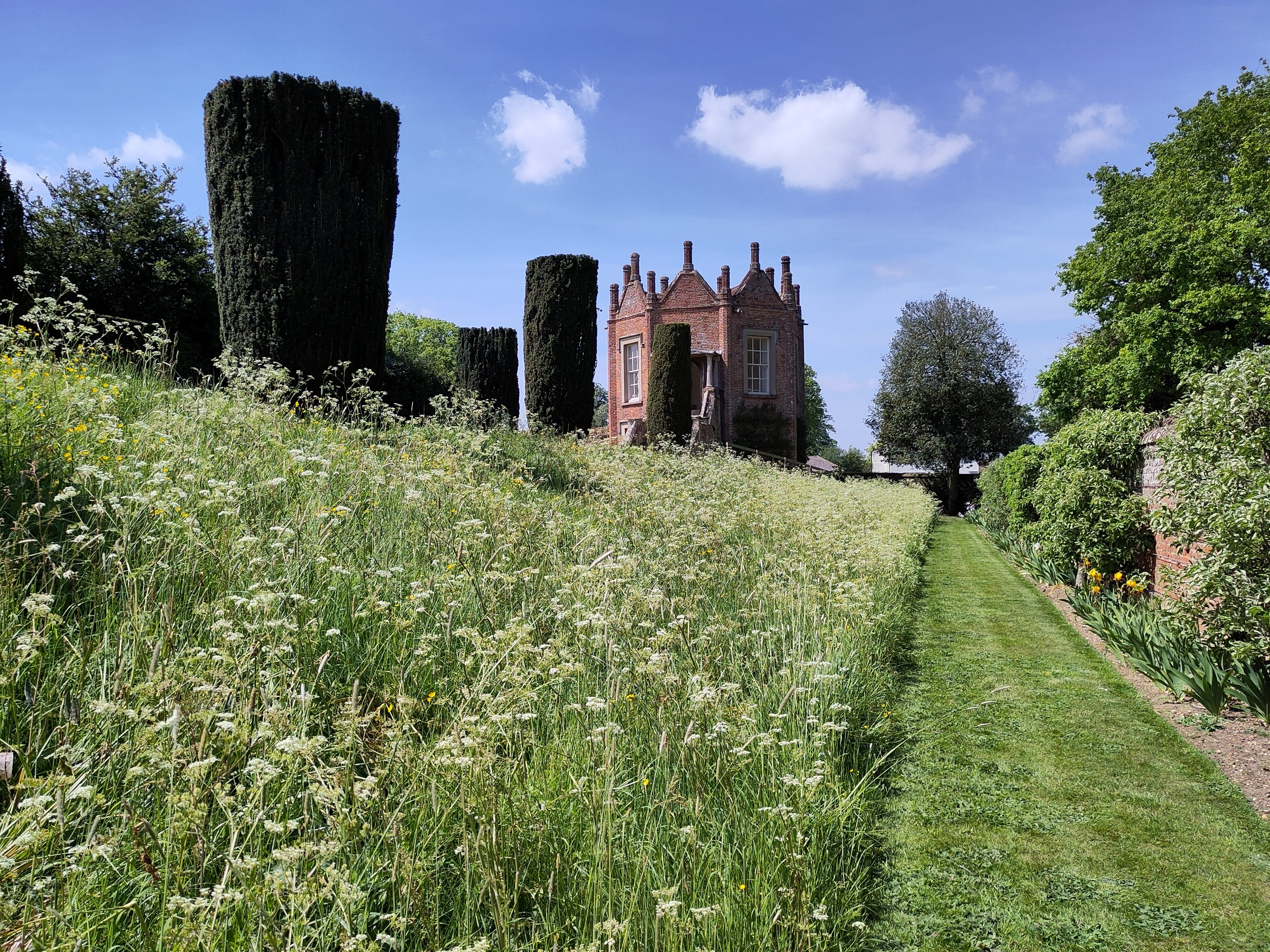
We spent a lovely day in Long Melford in Suffolk just before the late Spring Bank Holiday weekend. It was a rather warm but not yet into the weekend heatwave. The main attraction was Melford Hall, a National Trust property that we’d not visited before. The gardens are quite small but made for a lovely pre-lunch potter and the 17th century octagonal Banqueting House had lovely views out over both the garden and the village. It must have been a fantastic place to entertain when the interior was in its original decorative scheme.
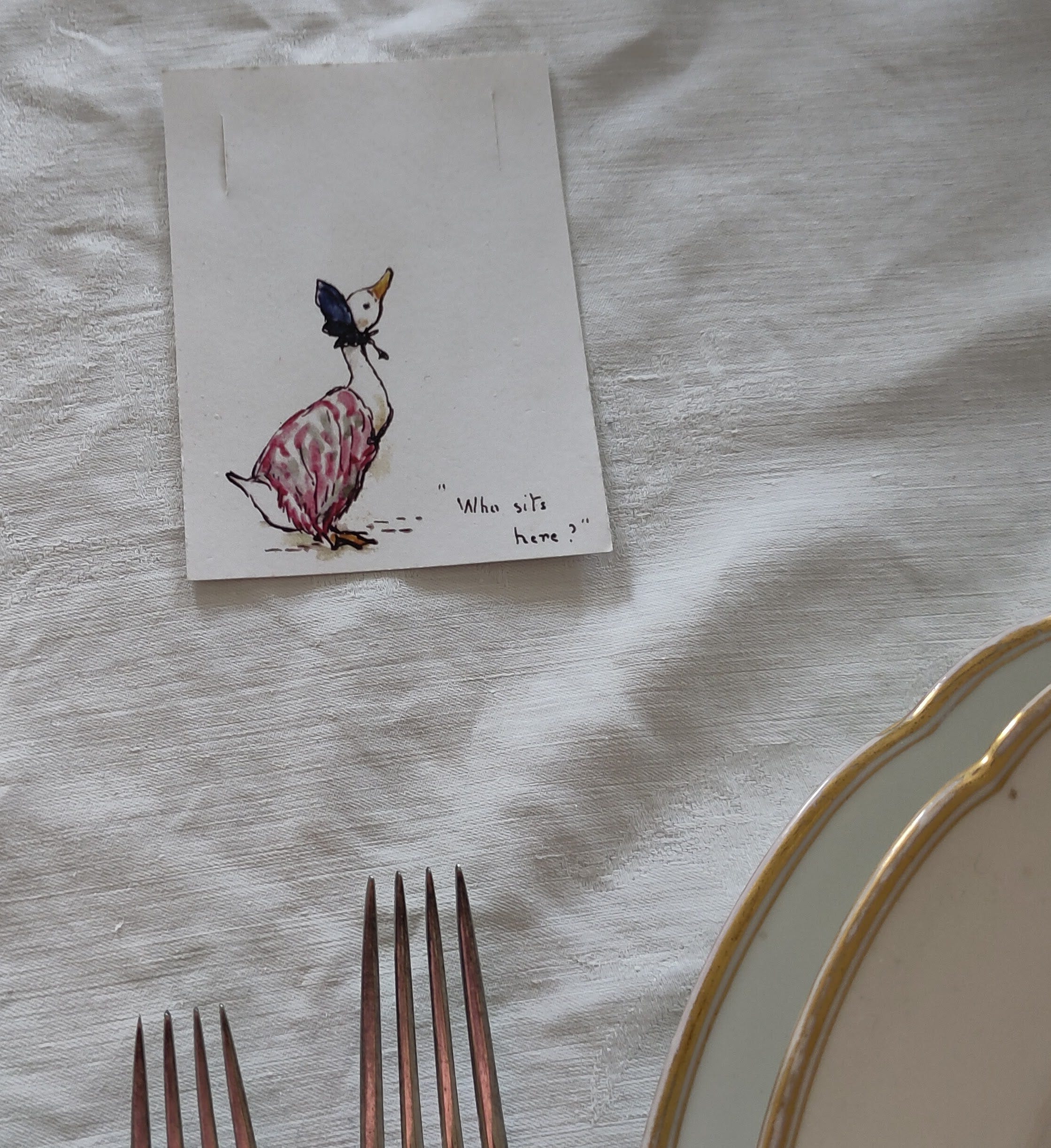
After lunch we went round the hall. I particularly enjoyed discovering the Beatrix Potter connection (her cousin Edith married Sir William Hyde Parker) and seeing the room where she stayed when she visited, often with a collection of small animals, who were quartered in the turret room just off her bedroom. There are plenty of reproductions of her drawings around the place, many showing where she made use of the architectural features of the house in her books, including in The Tailor of Gloucester. The dining room includes place cards drawn by Beatrix as a thank you to the family which was a lovely touch.
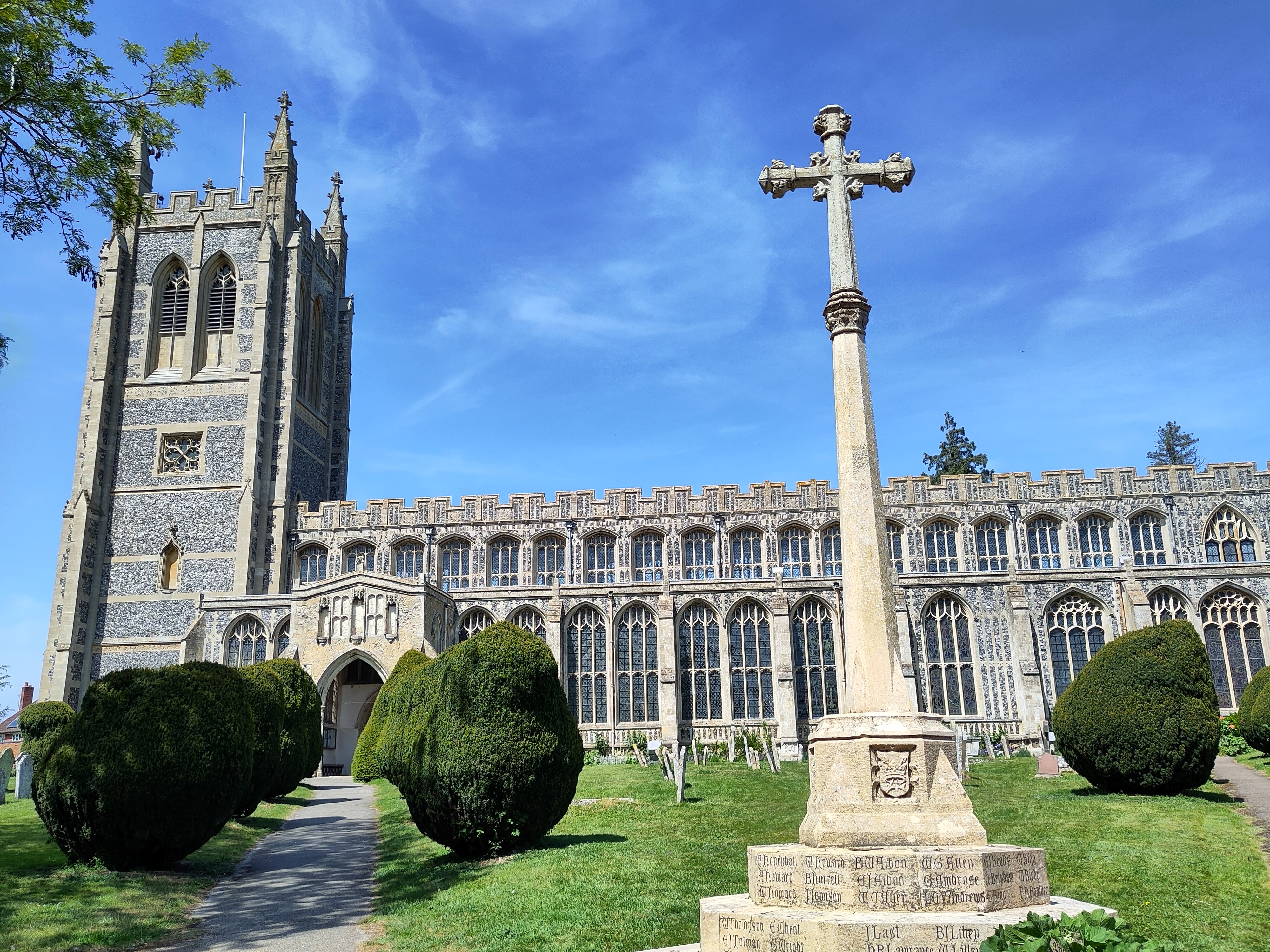
As the afternoon heat was building we opted for a short stroll up the village green to Holy Trinity Church rather than wandering into the hall’s open parkland. This turned out to be an excellent choice. Not only was the church wonderfully cool but it was full of interesting features. Like nearby Lavenham, Holy Trinity is a medieval wool church – one built on the prosperity of the local wool trade. Its founder, John Clopton, was a wealthy cloth merchant.
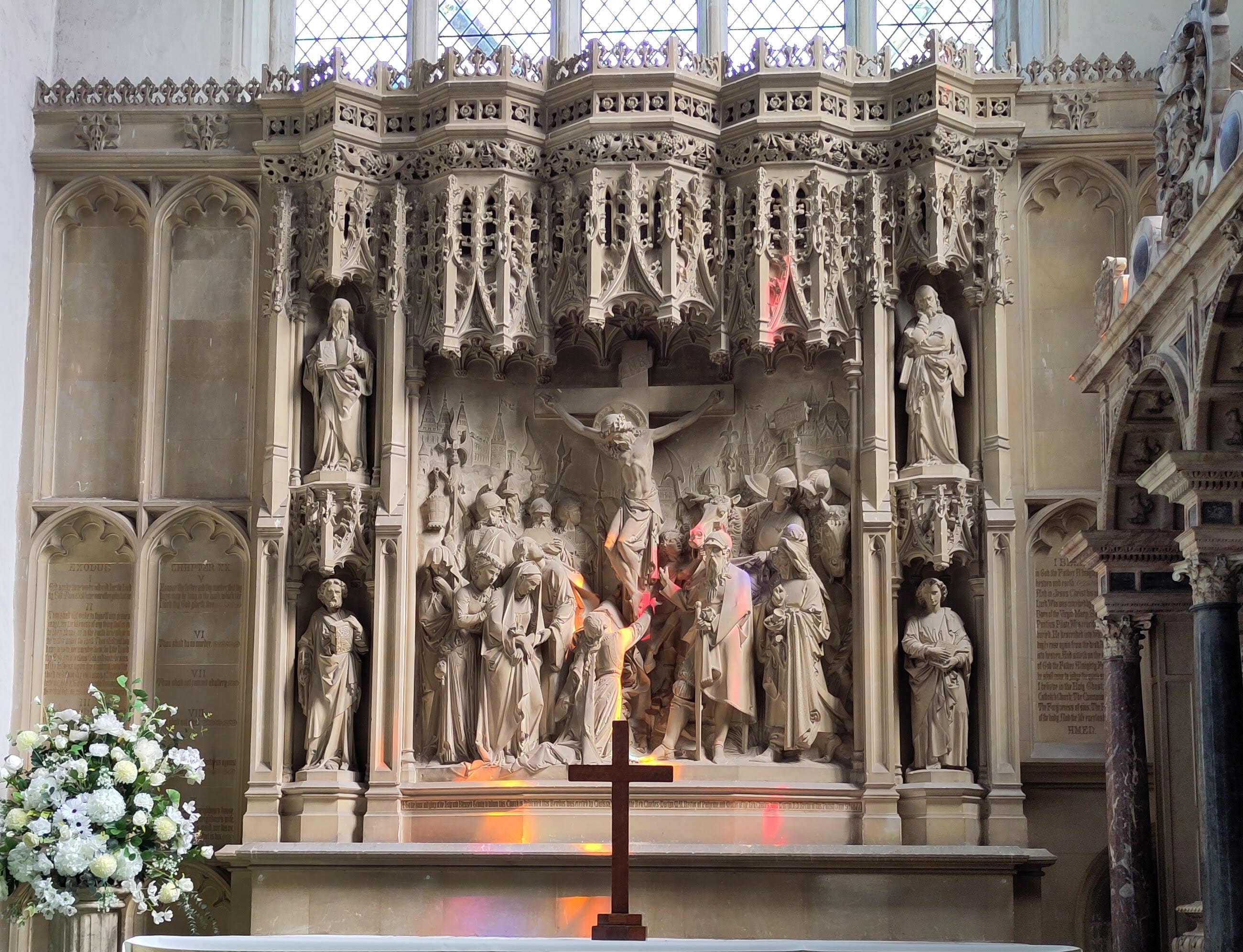
Inside, the first thing that caught our eye was the light from the coloured stained glass on the reredos. It dates from 1877 and was inspired by the work of Albrecht Dürer.
I liked the small Clopton Chantry Chapel with its frieze and rare 14th century Lily Crucifix window.
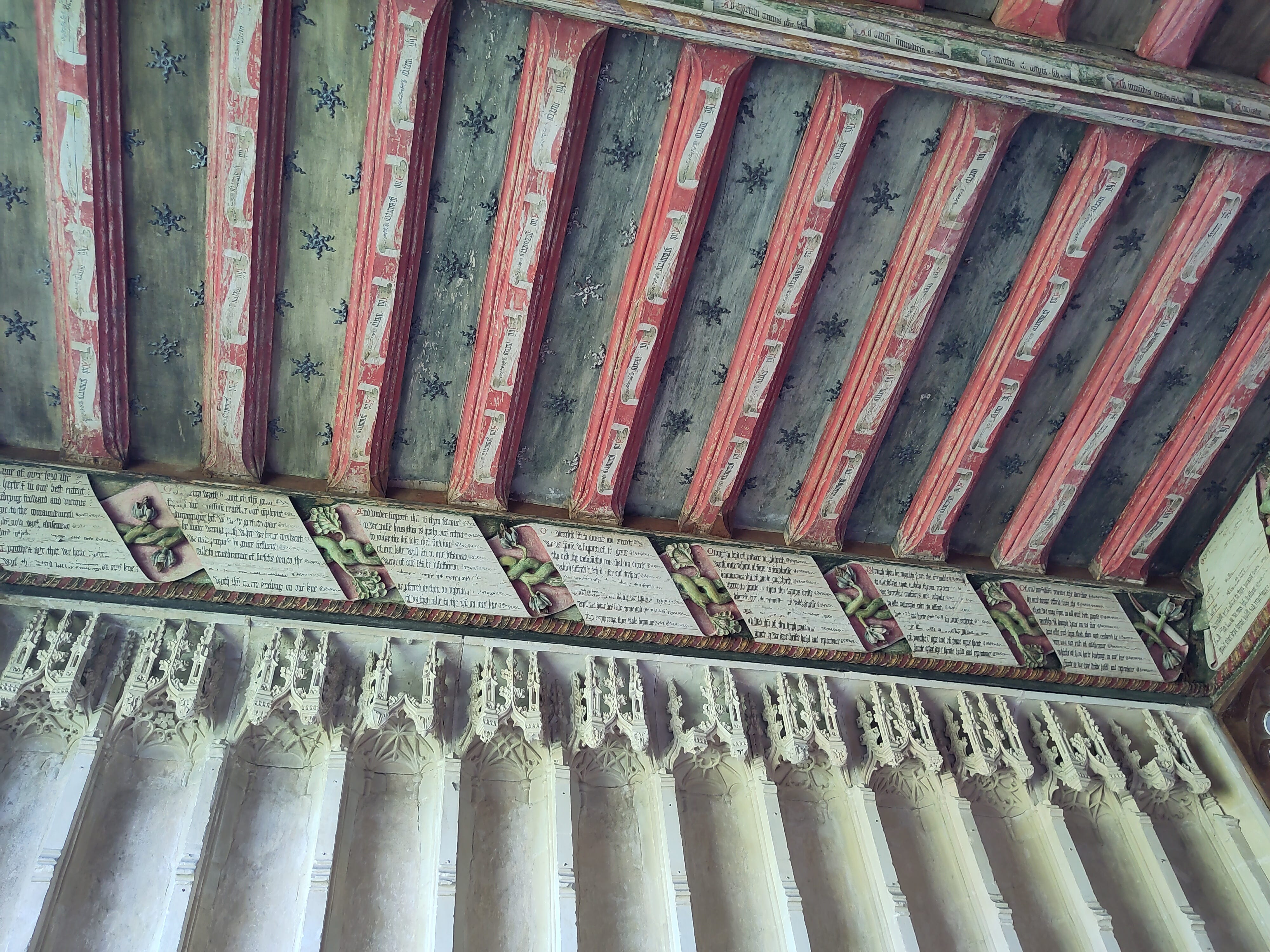
For stained glass fans, there’s some impressive 15th century glass, including the only known medieval glass example of the three hares motif. Unusually for a parish church, there’s a Lady Chapel which is separate from the main church. It was used a school in the 17th and 18th centuries and still features a multiplication table on the wall! The modern artwork is The Way Through by Alison Englefield and suits the space.
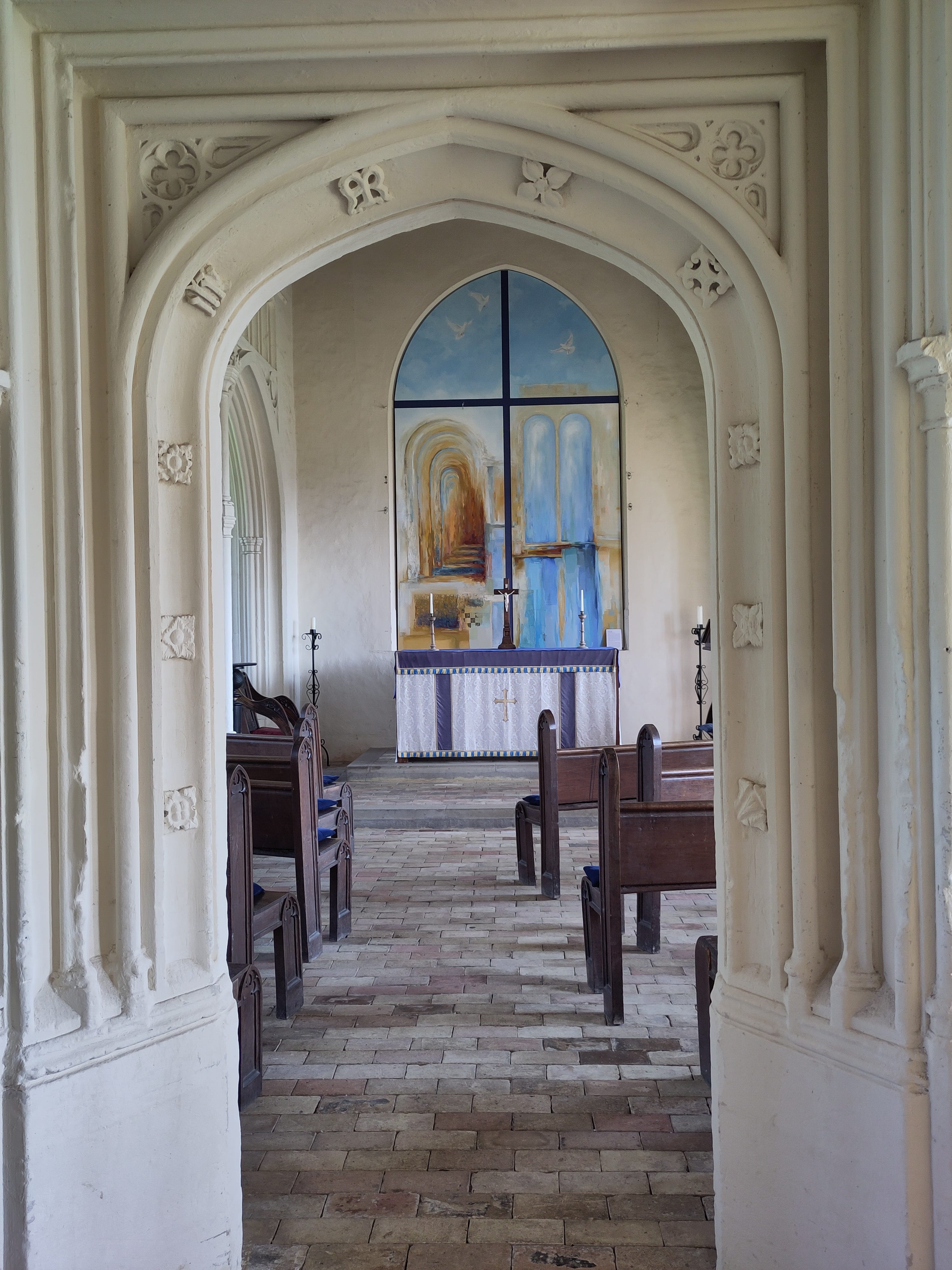
I’m sure we’ll be returning to Long Melford at some point to explore more of the village and the parkland.
Bookish odds and ends
I don’t generally buy hardback fiction but I made an exception for Melissa Harrison’s The Given World because it sounded entirely like my sort of thing. It’s a beautiful novel which manages to be haunting and otherworldly, yet rooted in a very real feeling rural village, and it could be read as a kind of state of the nation piece, ranging over climate change, nature, the realities of modern farming, politics and the loosening of community bonds. The story moves through around six months and is glimpsed through a range of characters and their perspectives, giving it an overlapping, wave like quality. Everything about life in the village is both solid and fragile at the same time and I could happily have spent much more time with the inhabitants.
I’ve just finished Phineas Finn, the second of Anthony Trollope’s Palliser novels. I enjoyed it immensely and reflecting on how good Trollope is at writing interesting women.
It was great to catch up with DI Jimmy Perez in Ann Cleeves’ book The Killing Stones. The action has moved from Shetland to Orkney and there’s been a time jump so we see Jimmy and Willow navigating family life several years after the events of the last Shetland book, Wild Fire. The story was engrossing and, as usual in this series, full of local history and traditions.
A Tomb With a View: The Stories & Glories of Graveyards by Peter Ross was a fascinating read, full of personal stories from the people he meets along the way.
House of Fiction: From Pemberley to Brideshead, Great British Houses in Literature and Life by Phyllis Richardson was a really interesting look at houses in English fiction, with a particular emphasis on country and rural homes. It definitely made me want to go back and reread some of the books discussed.
Things I’ve written this month
The latest post in ‘A brief history of Bedfordshire in plants and animals’ looks at monastic life through sheep, bees and grapes.

I reviewed Lucy Sixsmith’s book ‘When the Music Fades. Power, Surrender and the Soul Survivor Generation.

Over on my website blog I’ve been writing about how churches can make use of content pillars to help them get strategic about their communications.
I hope you’ve enjoyed this month’s round up. Thank you for taking the time to read it, I love to hear from readers so do share any thoughts in the comments section.
I didn’t know about the Melford Hall/Beatrix Potter connection, but it surprised me to find that she lived until 1943. I’d rather foolishly compartmentalised her as late Victorian/Edwardian. And thank you for posting about Holy Trinity, Shelly. I visited this wonderful church a few years ago on a tour of medieval East Anglia, and it was a high spot.
Thanks for the reminder about the new Jimmy Perez. Have just checked and it’s available in my local library.