
Three Stories #2
A round up of some of the things I’ve been reading, writing and doing this month

This month’s stories come from two non-fiction books about the rural year, a fictional account of a day in a West Yorkshire mill town, and a trip to the Ouse Washes in Norfolk. You’ll also find some bookish odds and ends, plus links to things I’ve written this month.
The rural year
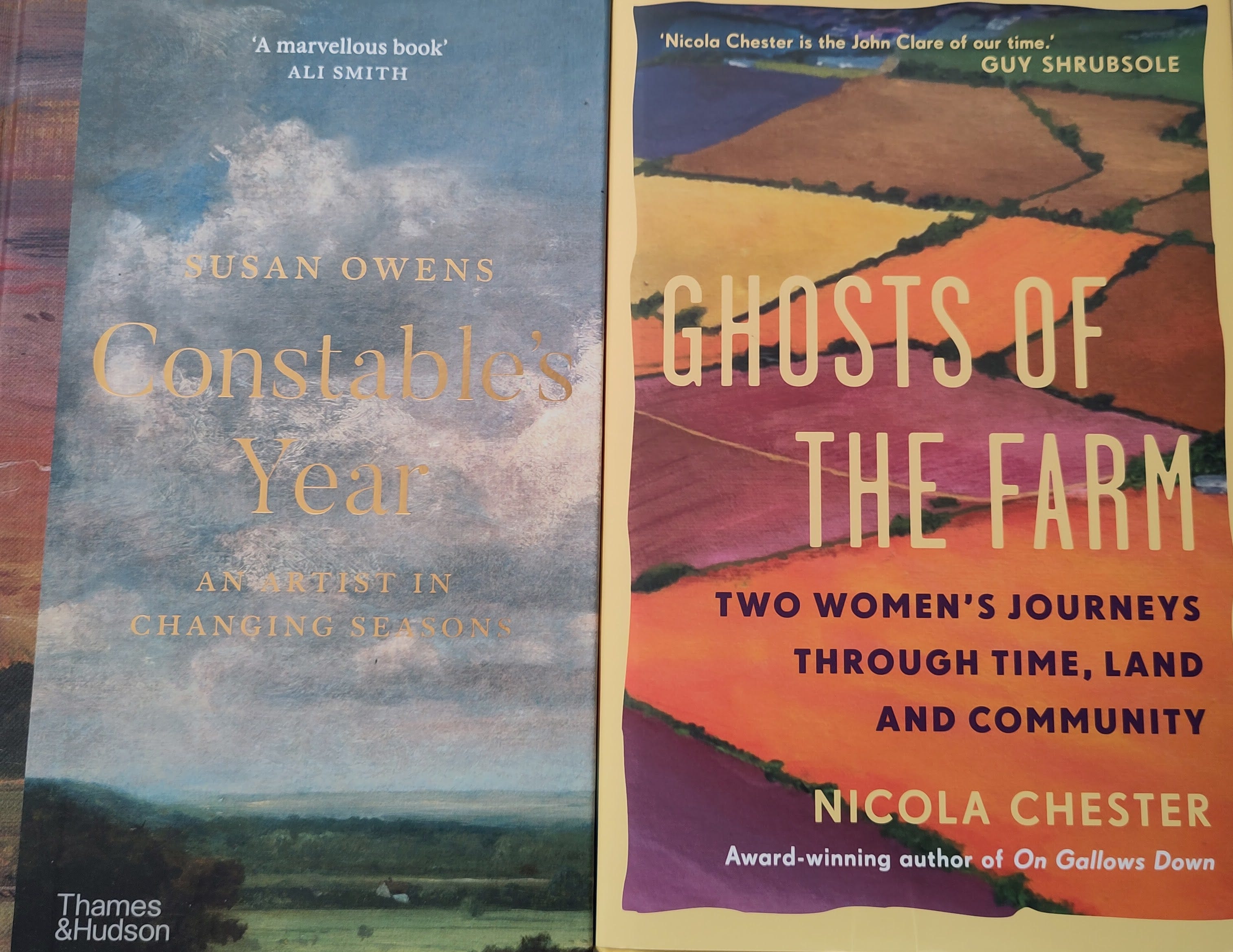
I read two books in quick succession which both explored themes around the rhythms of the agricultural year. Nicola Chester’s Ghosts of the Farm: Two Women’s Journey’s Through Time, Land and Community, tells two stories in parallel. Miss Julia White, who was farming during the Second World War, and Nicola Chester herself, who dreamed of being a farmer but found herself restricted to working with horses. The book asks some important questions about the opportunities for women in the sector, biodiversity loss and contemporary rural community life. The historical snapshot of rural life during the war was particularly fascinating and the personal connection of the author to the places involved and the world of farming made the book a coherent whole. The seasons of both the year and the two women’s lives unfold gently across the pages, and I enjoyed it immensely for both its precision and warmth of storytelling.
Constable’s Year: An Artist in Changing Seasons by Susan Owens is a beautifully produced and illustrated volume (I’d expect nothing less from Thames & Hudson) which uses the four seasons as a framework to give the reader a short biography of the artist and to explore his work and themes. One of the things that comes across really strongly is Constable’s connection to place, especially Suffolk, and his understanding of rural landscapes as working landscapes. His paintings are full of seasonal details and people at work and play – ploughing, attending the village fair, boat building.
Both books advocate for close looking and really knowing places, they feel properly rooted in places and rural rhythms. They also understand the impact of a changing climate on familiar landscapes, farming, wildlife and people. It was particularly interesting to see this being tackled in Susan Owen’s book which could have easily left it to one side and is perhaps a sign of climate issues becoming better embedded in cultural stories.
A day in West Yorkshire
I’ve written about Phyllis Bentley’s most famous novel, Inheritance already on Substack, and this month I came across another of her books whilst browsing in our local second hand bookshop. Quorum was published in 1950 and is set on a single September day in 1949. The quorum of the title refers to the evening’s meeting of the Ashworth Textile Pageant Committee who are tasked with investigating the possibility of presenting a pageant of the history of the textile trade as part of the town’s contribution to the 1951 Festival of Britain. This might not sound particularly promising fodder for a novel but Phyllis Bentley turns it into something interesting through the way the story is structured and its characters.
We begin with the committee members coming together but quickly rewind to see the events of the day leading up to the meeting through the eyes of eight different characters. It’s a reminder that we bring ourselves to these kind of meetings, the day we’ve had, our past history and our relationships. Across the eight chapters of this section, the lives of the characters cross in various permutations and we see the same events from more than one perspective. The meeting then takes place and we go through the agenda and conversations – anyone who’s ever been on a committee will probably laugh and wince in equal measure during this part of the story. The characters then depart and again we see this through the eyes of the eight characters, who review the meeting and the day.
The novel explores the shifting sands of life in towns like Ashworth in the aftermath of the Second World War, particularly in terms of class and politics as well as personal loss, so it’s also a fascinating snapshot of this period of history. I enjoyed it a lot and would have loved to read more about life panned out for some of the characters.
Wildlife on the Ouse Washes
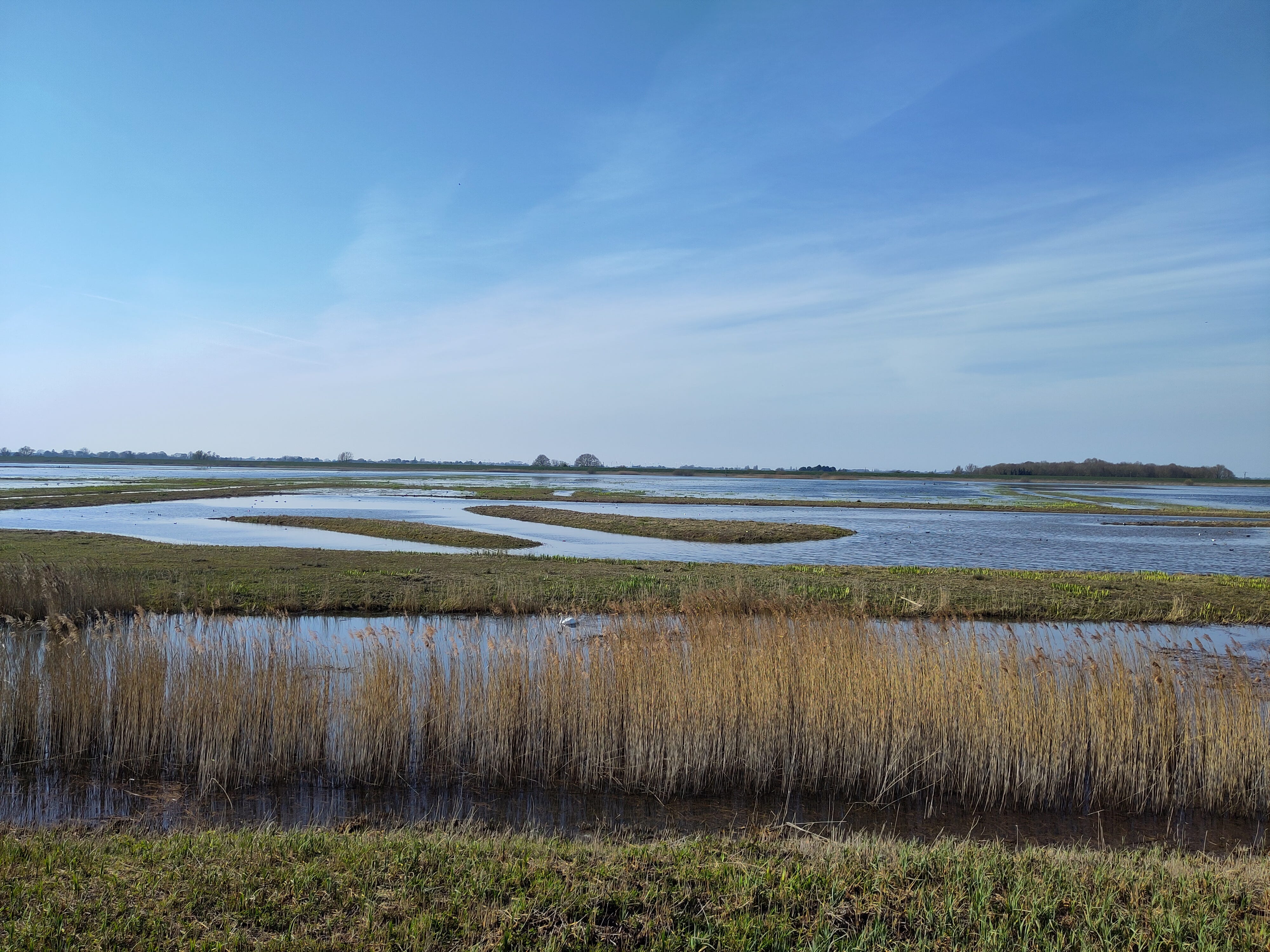
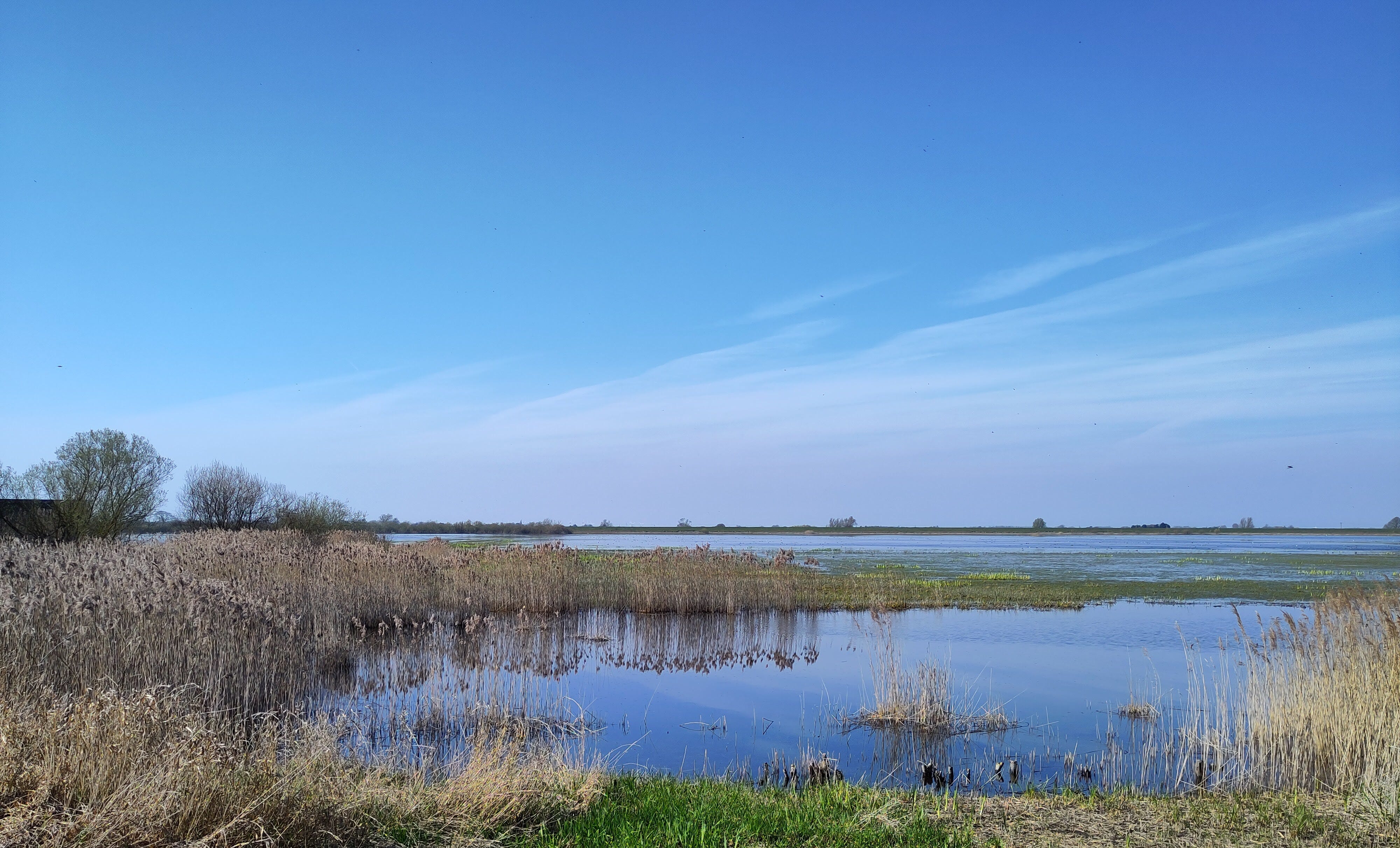
We took advantage of a particularly glorious spring day to head to the Welney Wetland Centre on the Ouse Washes in Norfolk. The reserve is run by the WWT (Wildfowl and Wetlands Trust) and is one of the best places I know to just switch off. It’s quiet, the soundtrack is birdsong and buzzing bees, and there’s always lots to see. This trip was made particularly memorable by the presence of a small flock of cranes out on the fen, a bird I’ve never seen before. There were also marsh harriers, reed buntings, whooper swans, black tailed godwits, lapwings, avocets and much more. In addition to the birds, we also spotted a hare, muntjac deer (including a pair wading through the water) and lots of butterflies.
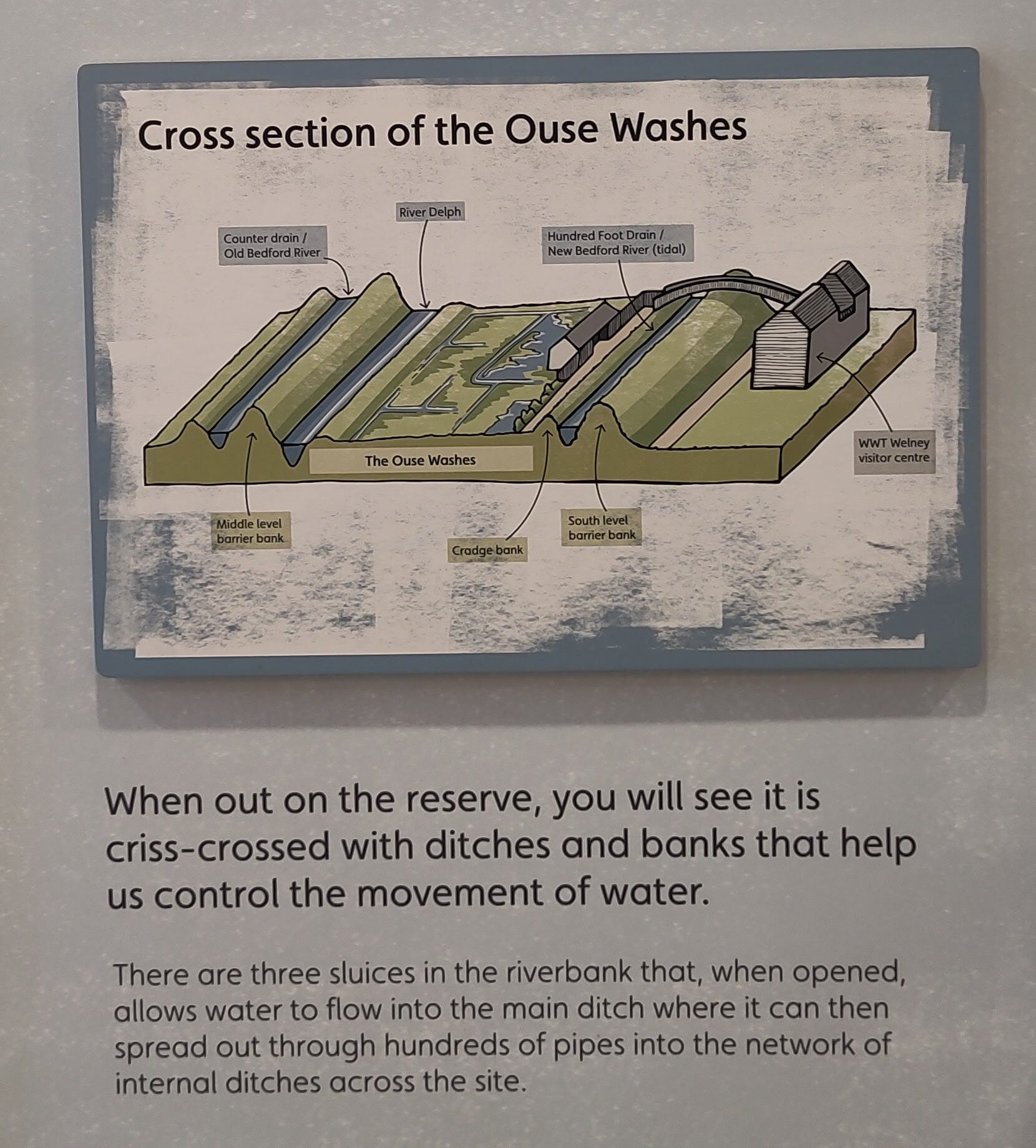
We’ve visited the reserve several times before but had always skipped the Fenland Worlds exhibition in the visitor centre so we thought we’d take a look this time. Introductory exhibitions like this one are always a bit of a balancing act between providing enough context for the visit for those who are interested in the landscape and engaging people really just there for a day of birdwatching. It was quite brief but did a good job of explaining what makes the landscape special how it is being managed for wildlife, and some of the historical background to life on the fens. The section explaining how they control the movement of water was really interesting because it enabled me to understand how the reserve works in a new way.
Back out on the reserve one of the WWT team explained that the high number of herons and egrets we were seeing was probably due to the water levels which have come down dramatically over the last couple of weeks but are still high after the wet winter. The day was rounded off by watching a low flying marsh harrier from the cafe window whilst enjoying a slice of delicious Victoria sponge cake.
Odds and ends
I’ve been enjoying The Other Bennet Sister (BBC One) which is both funny and rather sweet. I’ve not read the novel it’s based on but I’ll be looking out for it now.
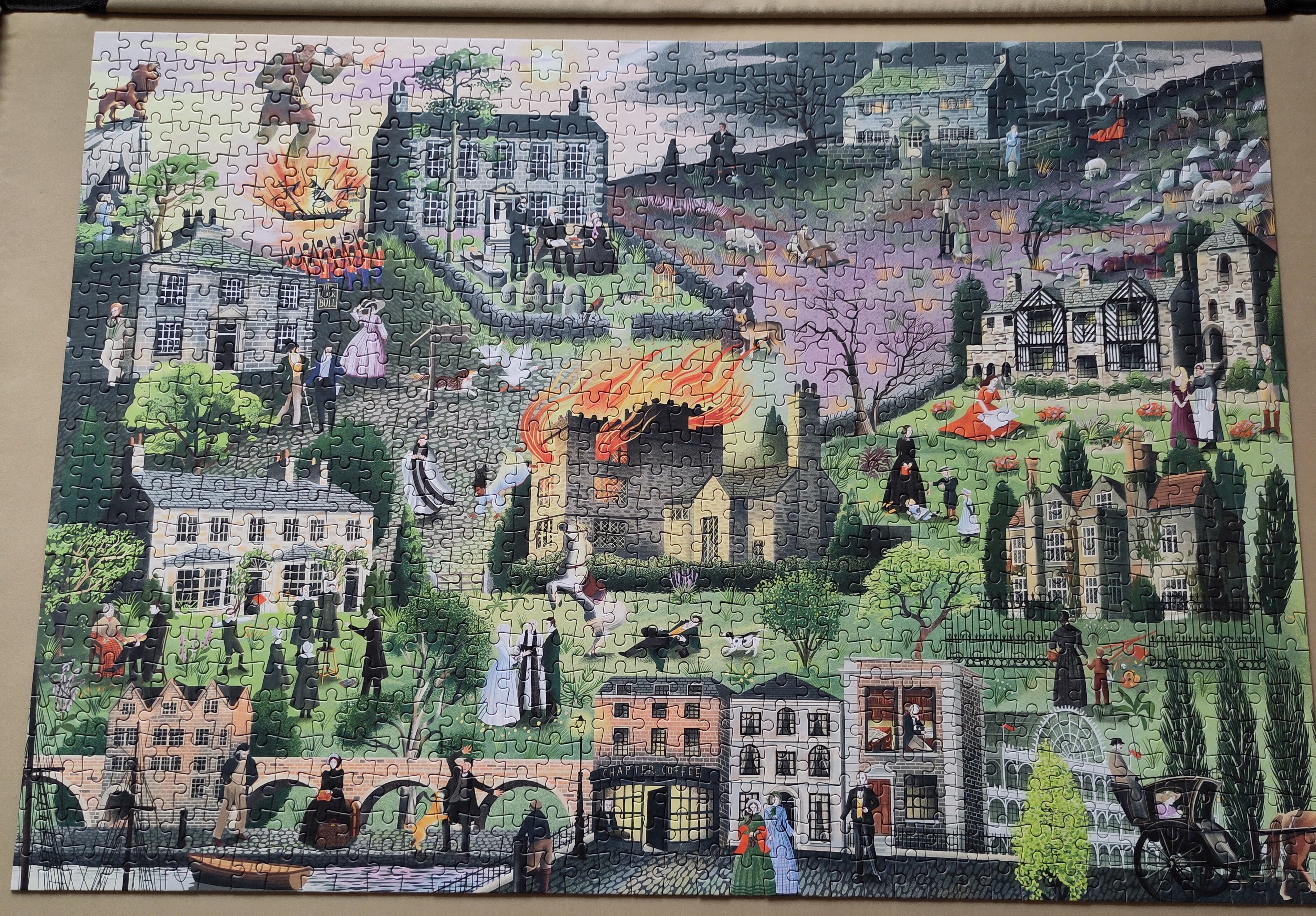
The World of the Brontës is part of a literary range of jigsaws that I’m very fond of. The image combines details from the books with biographical scenes and spotting the references is part of the fun. It was a nice relaxing thing to complete over a long weekend.
I’d somehow managed to miss the fact that Alan Bennett had a new volume of diaries coming out but having discovered the existence of Enough Said (published this month) I picked up a copy and am trying to ration it out rather than gobble it up. I love Bennett’s diaries, which are always sharp and entertaining, and this volume is certainly delivering.
Inspired by this post from Sarah Harkness, I reread Trollope’s The Way We Live Now and thoroughly enjoyed it (note to self: must read more Trollope). Feeling on a bit of a chunky Victorian novel high, I moved on to David Copperfield which I’m finding a bit of a slog in its middle section but I’ll stick with it.
Things I’ve written this month
This month’s essay, Suburban Layers, explores what it means to think about 800 years of history in one ordinary place.
The latest post in ‘A brief history of Bedfordshire in plants and animals’ imagines a small boy’s reaction to a Barbary Ape in Roman Dunstable.
Over on my website blog I’ve been writing about content strategy for small not-for-profits.
We are looking forward to reading the Constable book 📚
Thank you for another eclectic post full of gems, Shelly. Constable’s year is a wonderful book, and I was very interested in the account of your visit to the Ouse Washes. Looks as if you had good weather; I miss those big skies, though I haven’t forgotten how cold the wind off the North Sea can be. I’m also enjoying The Other Bennett Sister - perversely, I prefer the spin-off books and television adaptations to the original Jane Austen novels. I blame ‘Emma’ as a set text for O level - not much in it for a teenage boy. Stick with David Copperfield; it’s worth it in the end.